HOA EV Charging Policy in California

An HOA electric car charging policy turns each owner request into a standard process: one application, one review, clear rules on cost and insurance. Here's what California law covers and what a board's policy should spell out.

General information, not legal advice. Have association counsel review your policy and any specific request.

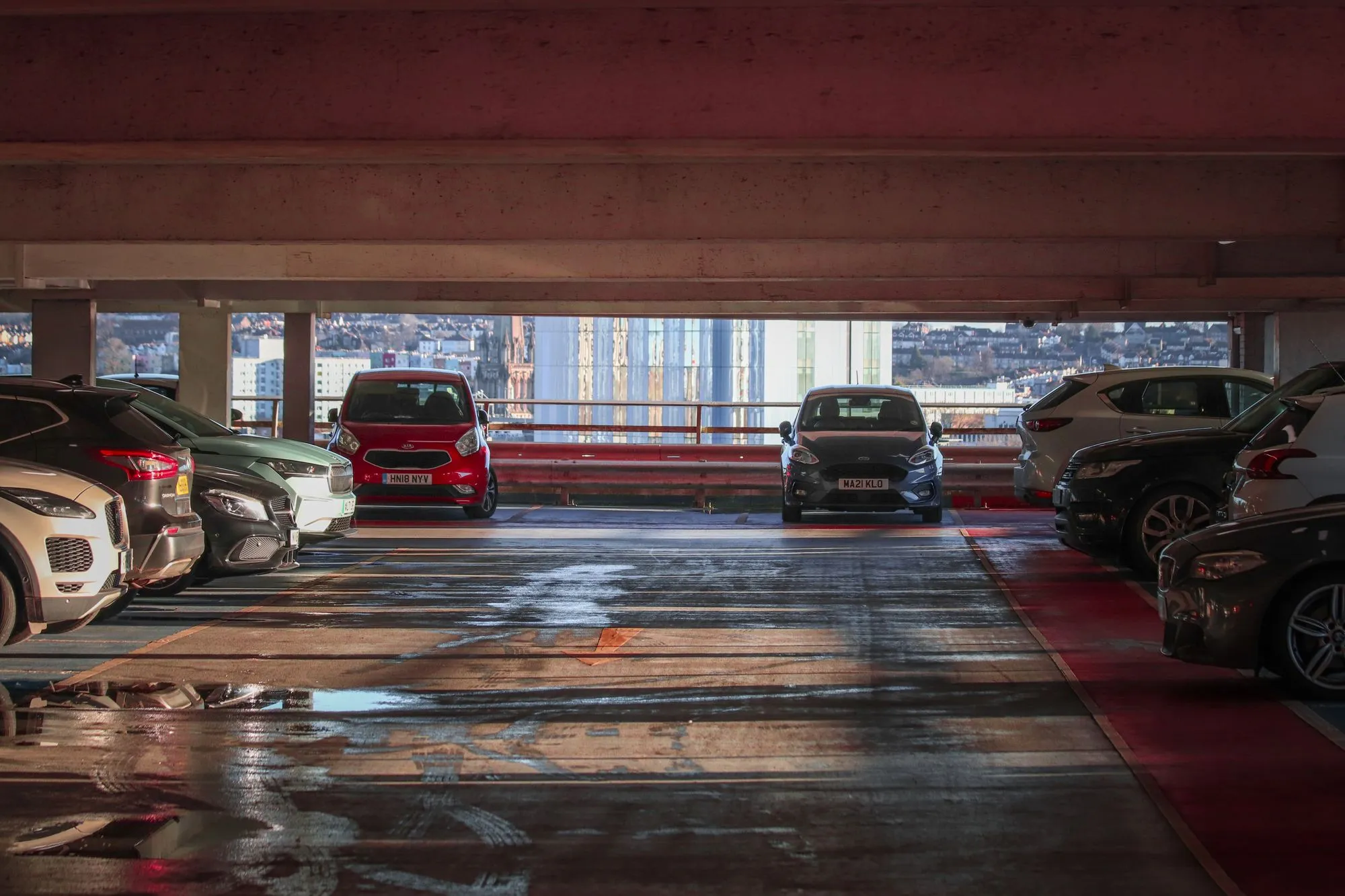
Cars parked on the upper deck of a multilevel parking garage

California's HOA right-to-charge rules

California has a specific statute on owner EV charging stations in common interest developments: Civil Code §4745. Read the official text on leginfo.legislature.ca.gov and talk to your association's counsel before you write a policy or respond to a request. General information, not legal advice.

Owner responsibilities to address

Whatever the statute requires, your policy should state plainly who handles each of these:

  • Paying for installation, and for electricity used.
  • Insurance for the charging station.
  • Maintenance, repair and eventual removal.
  • Using a licensed electrical contractor and pulling permits.
  • What transfers to the buyer when a unit is sold.

Common-area vs assigned spaces

Requests for an owner's deeded or assigned space usually mean a circuit through common areas to that space. Shared chargers sit in common areas and serve many residents. Your policy should cover both: route approval for private installs, and access, pricing and etiquette for shared chargers.

Policy template outline

  1. Purpose and scope: which spaces and buildings the policy covers.
  2. Application: the form, required drawings and contractor details.
  3. Board review: what the board checks, and its response timeline under the law.
  4. Electrical capacity: how capacity is allocated so early installs don't block later ones.
  5. Costs and metering: installation, electricity, submetering or network billing.
  6. Insurance and indemnity: required coverage and certificates.
  7. Installation standards: licensed contractor, permits, conduit routes, signage.
  8. Maintenance and removal: who repairs, and what happens on sale or removal.
  9. Shared chargers: access, pricing, time limits and idle fees.
  10. Disputes and review: how the policy is updated.

When a community-wide program beats one-off approvals

Once several owners want chargers, or the electrical service is tight, a community plan shares capacity fairly and replaces repeated reviews with one decision. See EV charging for condo and HOA communities and EV load management.

Frequently asked questions

Can a California HOA ban EV chargers?

Have association counsel review your rules against Civil Code §4745 and your community documents. General information, not legal advice.

What should an HOA electric car charging policy cover?

Who can apply and how, what the board reviews, who pays for installation and electricity, insurance, contractor requirements, metering, maintenance, and what happens when a unit is sold.

Is there a California right to charge law?

Yes. Civil Code §4745 covers owners in common interest developments, and Civil Code §1947.6 covers tenants. Read the official text and talk to counsel before applying either to a request.

Should the board approve requests one by one?

That works while requests are rare. Once several owners want chargers, a community-wide program shares capacity fairly and saves the board repeated reviews.

Request a free assessment for your community

The assessment and quote are free and carry no obligation. Tell us about the building and its parking. The assessment starts with what your electrical service can support, then checks which incentive programs are open for your address.

  1. Answer a few questions about the property and its parking.
  2. Your request is reviewed for fit: California, multifamily, owner or manager.
  3. A qualified California contractor partner contacts you to arrange the free assessment and quote.
Your building
California ZIP codes only.
The project
Is the property affordable or deed-restricted?
More details (optional)
Your contact details
How should we contact you?

California Multifamily EV Charging may be compensated when projects are referred.

Request a free assessment